Art History
The Age of Art Movements
The period from 1800 to 1950 was one of the most transformative in human history, marked by political revolution and rapid industrialisation. Cities like Paris underwent dramatic changes, prompting humanity to reflect on its identity. This era sparked a creative revolution where art evolved from a reflection of elite society to a powerful medium for defining reality.
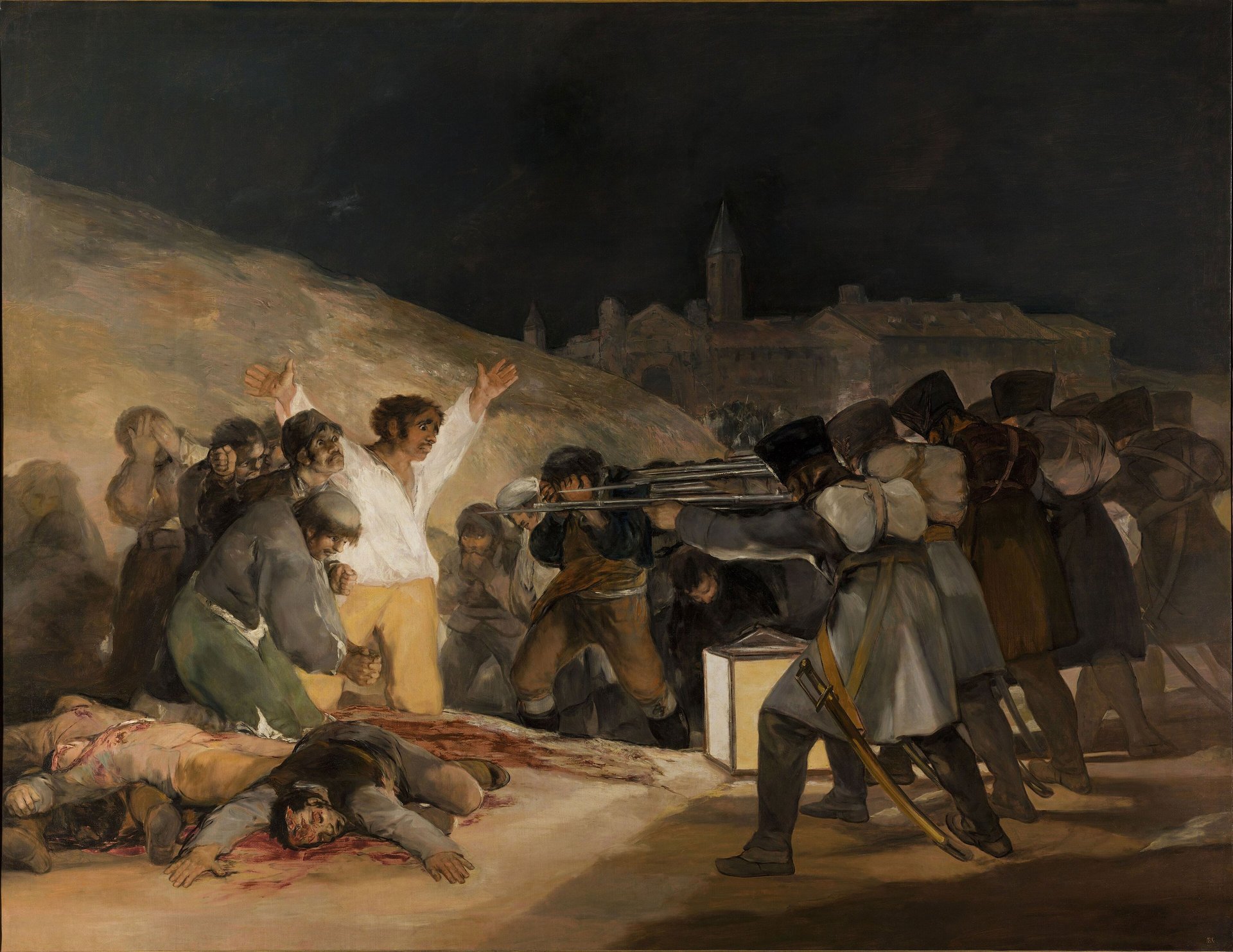
The journey begins with the First Empire and the Bourbon Restoration, as academic art was employed for political propaganda. Romanticism emerged, challenging the rigid Neoclassicism of Jacques-Louis David, emphasising raw emotion and the sublime. The battle of Line versus Colour pitted Ingres’s precise style against Delacroix’s vibrant colourism, setting the stage for future movements.
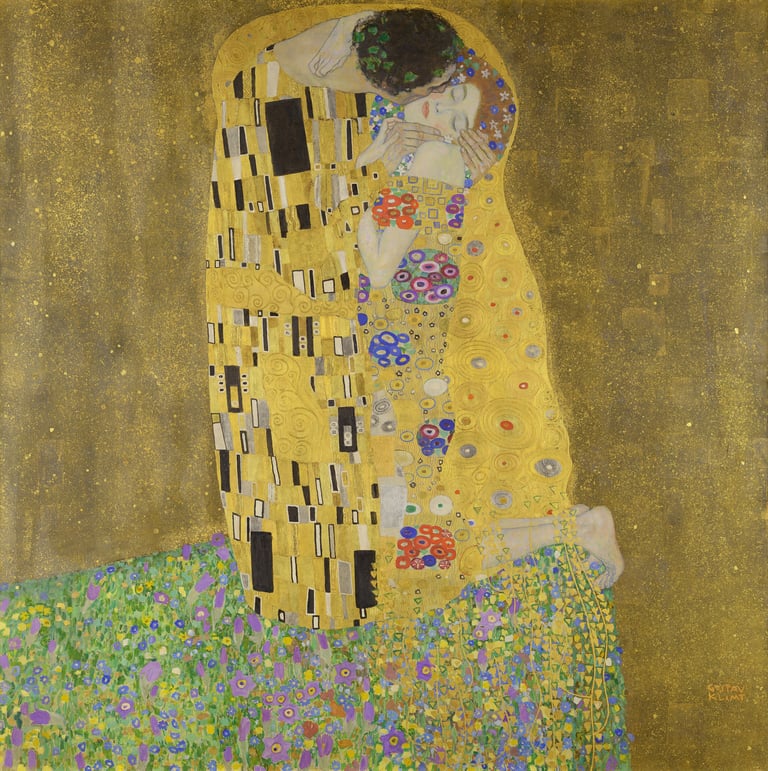
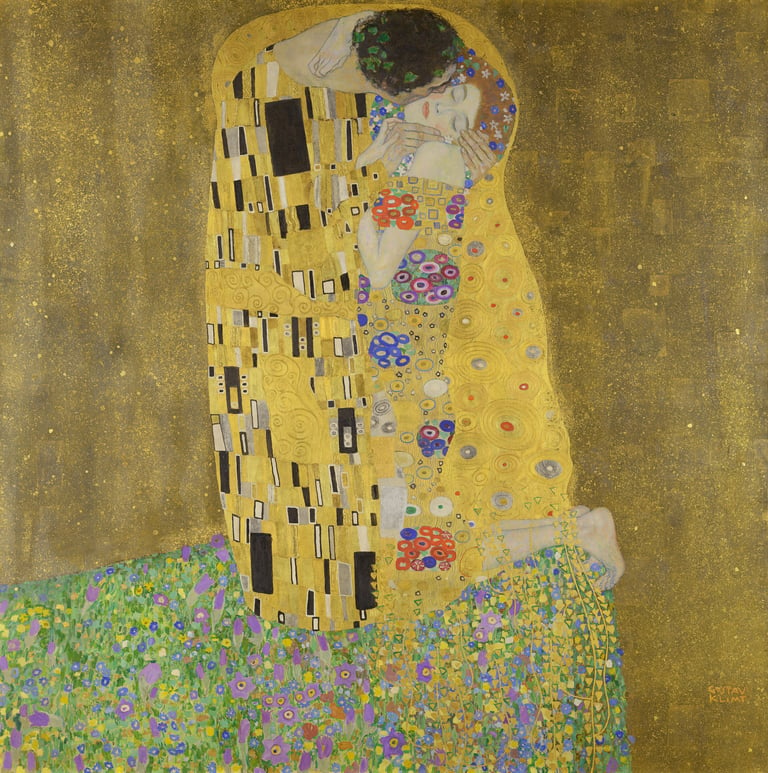
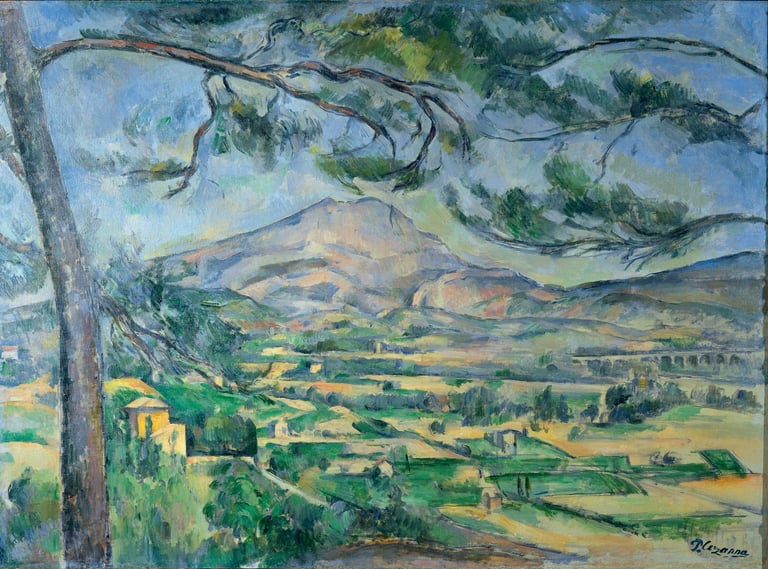
As the nineteenth century progressed, the Industrial Revolution and urban renewal transformed daily life. Realists like Courbet and Millet rejected classical idealism, showcasing the truth of peasant life and reshaping the artistic hierarchy. This shift led to Impressionists like Monet, Renoir, and Pissarro, who captured the effects of light and urban life, bridging to Post-Impressionism and the Viennese Secession.
The twentieth century ushered in an avant-garde explosion influenced by technology, psychology, and war. Artists like Munch and Kandinsky focused on inner emotional landscapes, while Picasso’s Cubism shattered perspective and Futurism embraced mechanical energy. The era’s disillusionment found expression in Dada's anti-art movement and the surreal dreamscapes of Dalí and Magritte.
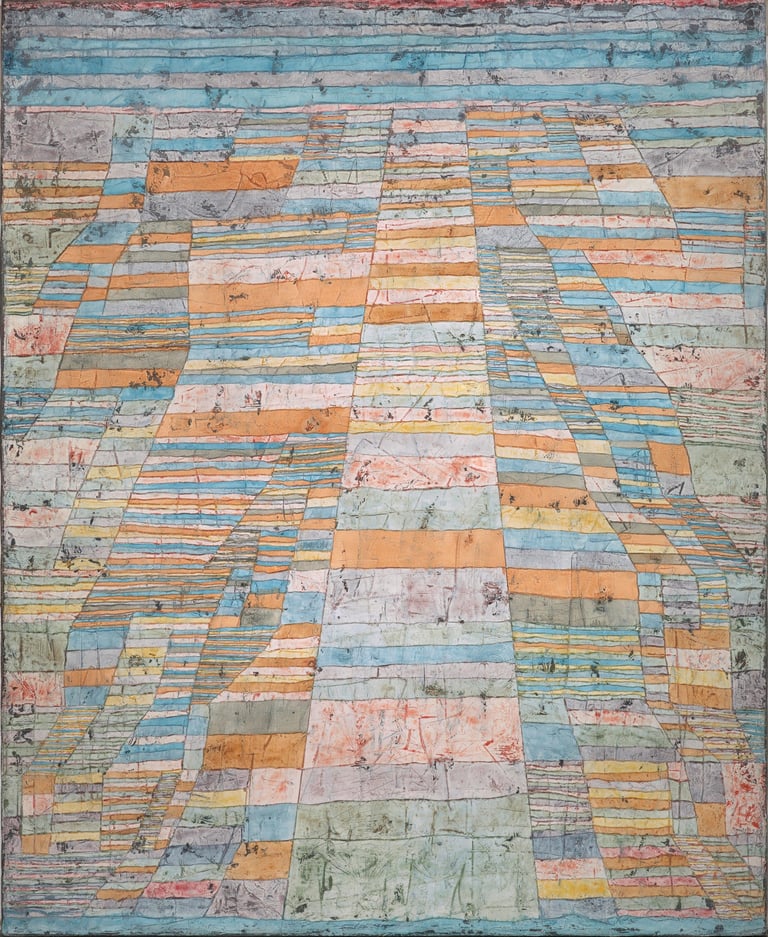
The narrative culminates in the mid-twentieth century, highlighting individual visual languages. Visionaries like Paul Klee, Edward Hopper, Georgia O'Keeffe, and Marc Chagall created personal universes to navigate modern existence.
By anchoring each masterpiece within the real-world revolutions and master philosophies that inspired it, this series offers an incisive and visual guide for both seasoned art lovers and curious newcomers alike. It is a rare opportunity to understand how the masters dared to redefine truth during one of humanity's most fascinating centuries.
By Csaba
ONLINE LECTURES—These talks are also available online! Feel free to send an enquiry for flexible scheduling and additional details.
About The Workshop Leader
Csaba studied painting and art history in Budapest and trained as a Waldorf teacher in London. With over ten years of experience at Ringwood Waldorf School, he teaches art, art history, and history. In addition to his teaching role, Csaba leads art workshops, offers adult educational courses, and organises the Class 12 cultural trip to Italy, which focuses on the Italian Renaissance.
Weekly Lectures
When: Tuesdays, 5:00 PM - 7:00 PM
Duration: 4 weeks
Dates: Autumn 2026
Course Fee: £30 per session or £100 for the entire course (materials included)
Concessions: Available
How to Register: Register your interest at the school office or online.
Location: The Art Room, Ringwood Waldorf School, Folly Farm Lane, Ringwood, BH24 2NN.
Outline of the Talk
Era of First Empire to Bourbon Restoration: Neoclassicism:
Jacques-Louis David and political propaganda
Rise of Romanticism: Emotion and the "sublime"
Debate between Line and Colour: Ingres vs. Delacroix
Realism and Impressionism
Realists: Courbet and Millet’s raw depictions of peasant life
Impressionists: Monet, Renoir, and Pissarro capturing light and leisure
Transition to Post-Impressionism and Viennese Secession
Radical Movements and Avant-Garde
Early 20th-century movements: Expressionism (Munch, Kandinsky), Cubism (Picasso), and Futurism
Anti-art Dada movement and Surrealism (Dalí, Magritte)
Individual Masters and Personal Universes
Paul Klee: Exploration of the invisible
Edward Hopper: Portrayals of isolation
Georgia O'Keeffe: Large-scale nature studies
Marc Chagall: Quest for beauty
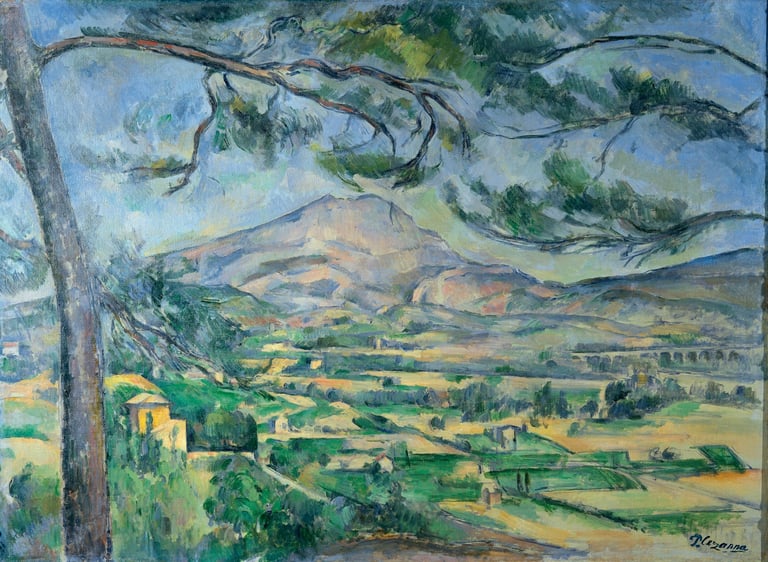
Mont Sainte-Victoire with Large Pine, Paul Cézanne, c.1887, Courtauld Gallery, London
The Kiss, Gustav Klimt, 1907–1908, Österreichische Galerie Belvedere, Vienna
Highway and Byways, Paul Klee, 1929, Museum Ludwig, Cologne
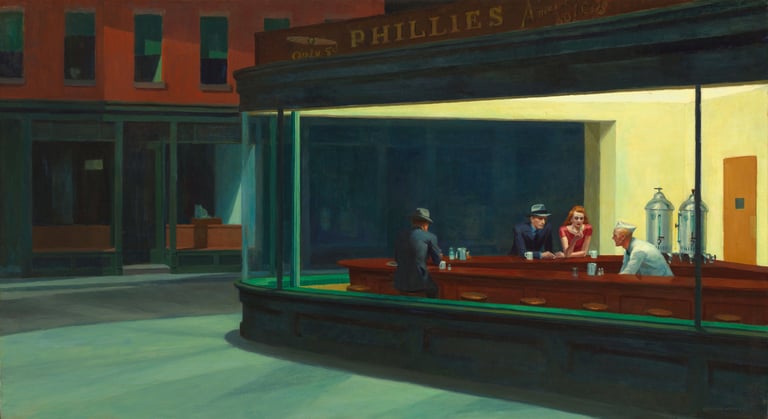
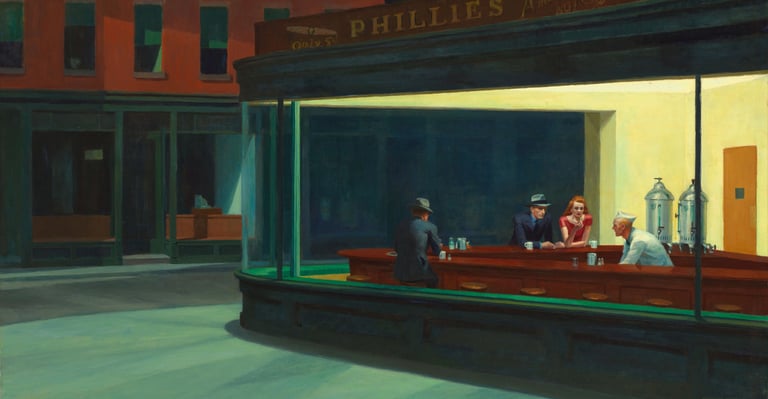
Nighthawks, Edward Hopper, 1942, Art Institute of Chicago